

Choosing the right detergent is essential for keeping your workout clothes clean, fresh, and comfortable. Unlike ordinary clothing, athletic garments are designed to manage sweat, control moisture, and support movement during exercise. Using the wrong laundry product can damage delicate fibers, leave residue behind, and reduce the performance of your favorite gym outfits. That is why understanding which detergent works best for Sports Wears is important for anyone who exercises regularly.
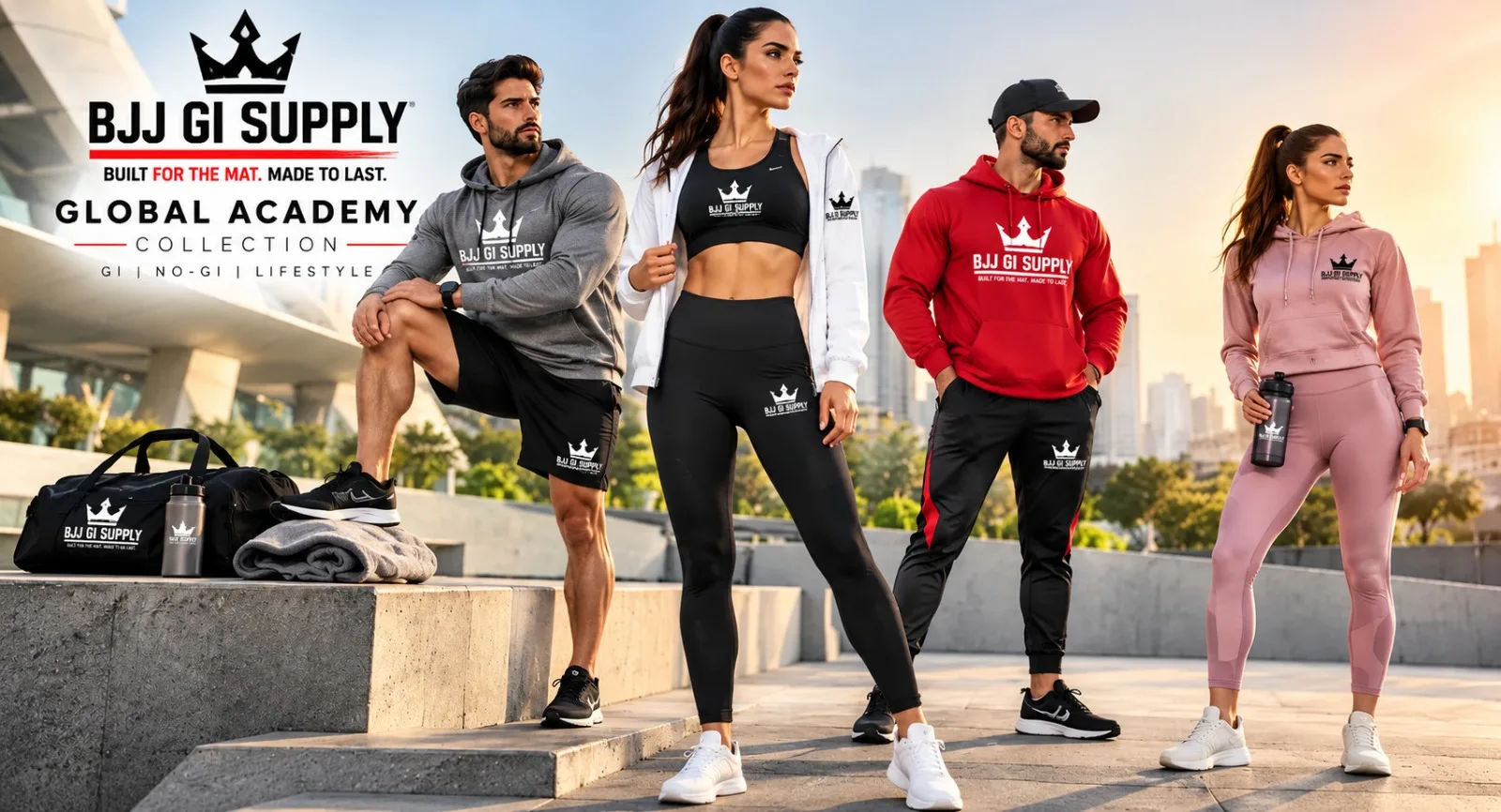
Workout clothes are often made from synthetic fabrics such as polyester, nylon, and elastane. These materials offer flexibility, breathability, and moisture-wicking properties, but they require proper care to maintain their quality. Strong detergents, excessive fabric softener, and unsuitable washing methods may affect how these fabrics perform over time.
The good news is that you do not need an expensive or complicated laundry routine to care for athletic clothing. A suitable detergent, the correct water temperature, and a few simple washing habits can help remove sweat, body oils, and unpleasant odors while protecting the fabric.
Why Choosing the Right Detergent Matters
Regular exercise produces sweat, body oils, and bacteria that can collect on clothing. When these substances remain trapped in fabric fibers, they can create persistent odors, discoloration, and an unpleasant feeling against the skin.
Ordinary laundry detergent may remove everyday dirt, but some products contain ingredients that are not ideal for technical athletic fabrics. For example, heavy fragrances can mask odors without addressing the substances causing them, while certain additives may leave a coating on moisture-wicking materials.
A detergent designed for sports clothing, or a suitable mild liquid detergent, can help clean athletic garments without unnecessary harshness.
Protecting Moisture-Wicking Performance
Many workout shirts, leggings, and running tops are made from fabrics that move moisture away from the skin. This process helps sweat spread across the material and evaporate more quickly.
Detergent residue and fabric softener can interfere with the fabric's ability to manage moisture. Over time, this may make workout clothes feel less breathable or cause them to retain sweat.
Choosing an appropriate detergent and measuring it correctly helps reduce the risk of residue buildup.
Preventing Persistent Odors
Sweat itself is not always responsible for the strong smell associated with gym clothes. Body oils, skin bacteria, and residue from previous washes can contribute to unpleasant odors.
A Sports Wears nogi bjj manufacturer should remove these substances rather than simply cover them with perfume.
This is especially important for Sports Wears used during running, cycling, weightlifting, football, and other high-intensity activities.
What Type of Detergent Is Safest for Sportswear?
The safest detergent depends on the fabric, the level of dirt, and the manufacturer's care instructions. However, several general guidelines can help you choose an effective product.
1. Mild Liquid Detergent
A mild liquid detergent is often a practical choice for everyday workout clothing.
Liquid detergents dissolve easily in water and can be useful for removing body oils and sweat-related dirt. They are also convenient for washing synthetic garments on cool or warm cycles, depending on the care label.
Choose a product intended for everyday laundry or delicate fabrics, preferably without excessive fragrances or unnecessary additives.
You do not always need a specialist sports detergent. A suitable regular liquid detergent can work well when used in the correct amount.
2. Detergent Specifically Designed for Sportswear
Sports detergents are formulated to address common problems associated with athletic clothing, including sweat odors and body-oil buildup.
Some products contain enzymes that help break down particular types of stains and organic residues. Others are designed to clean synthetic fabrics while reducing lingering smells.
These products can be useful if you exercise frequently or notice that your gym clothes still smell after washing.
However, not every sports detergent is suitable for every fabric. Read the label and follow the garment manufacturer's instructions before use.
3. Fragrance-Free Detergent
Fragrance-free detergent is a sensible option for people who prefer to avoid added perfumes or have skin that reacts to fragranced laundry products.
Fragrance-free does not necessarily mean hypoallergenic, but it can reduce exposure to certain ingredients that may irritate sensitive skin.
It is also useful when you want your clothes to smell clean without a strong artificial fragrance.
For athletic clothing worn directly against the skin, choosing a simple formula can make laundry care easier.
4. Detergent for Delicate Fabrics
Some sports garments contain delicate materials, compression panels, elastic fibers, or specialized finishes.
A detergent intended for delicate clothing may be suitable when the care label recommends gentle washing. However, delicate detergents vary in cleaning strength, so they may not always be the best option for heavily soiled gym clothes.
Check the instructions on both the detergent and the garment before deciding.
Which Detergent Ingredients Should You Avoid?
Not every laundry ingredient is harmful to athletic fabrics, but some products are less suitable for technical clothing or sensitive skin.
Understanding common ingredients can help you make a better decision.
Fabric Softeners
Fabric softener is one of the most important products to avoid when washing many technical workout garments.
It can leave a coating on fabric fibers that interferes with moisture-wicking performance. It may also contribute to residue buildup and make certain synthetic garments less effective at managing sweat.
Avoid fabric softener unless the garment manufacturer specifically confirms that it is suitable.
Heavy Fragrances
Strongly scented detergents can make clothes smell pleasant immediately after washing, but fragrance does not guarantee that sweat and body oils have been removed.
Some people also experience irritation from fragranced products.
A fragrance-free or lightly scented detergent is often a practical choice, particularly for clothing that fits tightly against the skin.
Excessive Bleach
Chlorine bleach can weaken or discolor some synthetic fibers, elastic materials, and colored garments.
It should not be used on athletic clothing unless the care label explicitly permits it.
Oxygen-based stain removers may be suitable for certain washable garments, but you should still check the product instructions and test an inconspicuous area when appropriate.
Too Much Detergent
Using extra detergent does not necessarily make workout clothes cleaner.
Excess detergent can be difficult to rinse out, particularly in a crowded washing machine. Residue may contribute to stiffness, unpleasant smells, or skin discomfort.
Follow the recommended dosage and adjust it according to the detergent instructions, load size, and water hardness.
How to Wash Sportswear Correctly
Even the best detergent cannot deliver good results if you use an unsuitable washing method. A few simple steps can help maintain your clothing's quality.
Step 1: Check the Care Label
Before washing any garment, read its care label.
The label provides guidance about water temperature, machine washing, drying, and special fabric requirements.
Compression garments, waterproof jackets, and delicate performance clothing may require different treatment from ordinary workout shirts.
Following these instructions is the safest starting point.
Step 2: Separate Workout Clothes
Wash athletic garments separately from heavily soiled items such as muddy outdoor clothing when practical.
Separate light and dark colors to reduce the risk of color transfer. You may also want to wash towels separately because they can release lint.
Close zippers and fasteners, and turn workout clothes inside out before washing. This helps expose the areas that collect sweat and body oils while protecting the outside of the fabric from unnecessary friction.
Step 3: Use the Correct Amount of Detergent
Measure detergent according to the product label rather than estimating by eye.
A small load usually requires less detergent than a large load, although water hardness and soil level also matter.
Avoid filling the machine excessively because overcrowding can prevent water and detergent from circulating effectively.
For heavily sweaty garments, a suitable detergent and an appropriate wash cycle are generally more useful than simply adding extra product.
Step 4: Choose a Suitable Water Temperature
Cool or moderately warm water is often appropriate for synthetic athletic fabrics.
Hot water may damage elastic fibers, affect certain finishes, or cause some garments to lose their shape. However, the best temperature depends on the material and the care label.
Use the recommended cycle and temperature for the specific garment rather than applying the same settings to every item.
Step 5: Rinse Thoroughly
Proper rinsing helps remove detergent residue, sweat, and loosened dirt.
If your machine has an additional rinse option and the clothes tend to retain detergent, using it may be helpful.
Avoid adding unnecessary laundry products that can leave coatings on the fabric.
Step 6: Dry the Clothes Properly
Air-drying is often a good choice for workout clothing because it reduces exposure to high heat.
Hang garments in a well-ventilated area and keep them away from prolonged direct sunlight if the fabric or color may be affected.
Use a tumble dryer only when the garment's care label permits it, and select an appropriate heat setting.
Make sure clothes are completely dry before placing them in a drawer or gym bag. Storing damp garments can encourage persistent odors.
How to Remove Strong Sweat Smells from Sportswear
Sometimes workout clothing continues to smell even after washing. This usually means that sweat-related residues, body oils, or detergent buildup have not been removed effectively.
Fortunately, you can often improve the results without using harsh chemicals.
Pre-Treat Heavily Sweated Areas
The underarms, collar, waistband, and back of a workout shirt may collect more sweat and body oils than other areas.
Apply a small amount of suitable liquid detergent to these areas according to the product instructions.
Allow it to work for the recommended period before washing. Avoid aggressive scrubbing because it can damage delicate fibers.
Do Not Leave Wet Clothes in a Gym Bag
One of the most common causes of lingering odor is leaving sweaty clothes in an enclosed bag for several hours.
After exercise, remove damp garments as soon as possible. If you cannot wash them immediately, hang them somewhere ventilated until they can be cleaned.
Avoid storing damp clothes in a closed laundry basket.
Consider an Appropriate Odor-Removing Product
If smells remain, a laundry product designed for odor removal may help.
Choose a product that is compatible with synthetic clothing and follow the directions carefully. Avoid combining different cleaning chemicals, especially bleach with ammonia or acidic cleaners.
Repeatedly increasing the detergent dose is not a reliable solution. If residue buildup is suspected, washing with the recommended amount of detergent and an appropriate rinse may work better.
Is Powder Detergent Safe for Sportswear?
Powder detergent can be safe for many athletic garments when used according to the manufacturer's instructions.
However, it may not dissolve as effectively in very cold water under certain washing conditions. Undissolved powder can leave visible residue, particularly if the machine is overloaded or the detergent is overdosed.
Liquid detergent is often convenient for synthetic fabrics because it dissolves readily, but that does not mean powder detergent is automatically unsuitable.
If you prefer powder, follow the dosage instructions, avoid overloading the machine, and ensure the detergent dissolves and rinses properly.
The garment's care label and the detergent manufacturer's recommendations should guide your choice.
Can You Use Natural or Homemade Detergents?
Some people prefer homemade laundry solutions because they want fewer ingredients or a lower-cost alternative.
However, homemade mixtures are not automatically safer or more effective for athletic clothing.
Household soap, baking soda, vinegar, and other ingredients may behave differently depending on the fabric, detergent chemistry, and washing conditions. Some combinations may leave residue or fail to remove body oils effectively.
Vinegar should not be added indiscriminately, particularly if the washing machine manufacturer advises against it. It can affect certain materials and machine components under some conditions.
For most people, a commercially formulated mild detergent used correctly is a more predictable choice.
If you prefer a product with a simpler ingredient list, choose a reputable detergent designed for your needs rather than assuming that every natural ingredient is suitable for technical fabrics.
How Often Should You Wash Sportswear?
Workout clothing should generally be washed after each use, particularly when it becomes sweaty or damp.
Wearing the same unwashed garment repeatedly can allow body oils and odor-causing residues to accumulate.
Items such as gym shirts, leggings, sports bras, socks, and compression clothing usually need cleaning after every workout. Outer layers that remain relatively clean may not require washing as frequently, depending on the garment's care instructions and how they were used.
If you exercise daily, having several sets of workout clothes can make laundry easier and reduce the temptation to reuse damp garments.
Store clean clothes
Conclusion
Fabric softener can make ordinary clothing feel smoother, but it is generally not the best choice for technical athletic garments. Many performance fabrics are designed to manage sweat, dry quickly, and maintain their stretch and comfort. Residue from fabric softener may interfere with these properties, contribute to buildup, and make persistent odors more difficult to manage.
The safest approach is to check the care label, use an appropriate detergent, avoid unnecessary laundry additives, and dry garments according to the manufacturer's instructions. Polyester, nylon, elastane, and specialized moisture-wicking materials deserve particular attention because their performance depends on their construction and intended use.
Although some casual cotton sportswear may tolerate fabric softener, that does not mean it is suitable for every athletic garment. When you are unsure, leaving it out is a practical way to reduce the risk of residue and maintain the clothing's intended features.
Taking proper care of your Sports Wears does not require a complicated laundry routine. Washing garments promptly, using the right amount of detergent, choosing a suitable cycle, and allowing clothing to dry completely can make a meaningful difference.

Leave a Reply