

Woodworkers, contractors, furniture makers, and DIY enthusiasts often rely on a Board Foot Calculator to estimate the amount of lumber needed for a project. Whether you are building cabinets, flooring, decks, or custom furniture, knowing the volume of wood helps you purchase the correct amount without overspending or running short.A Board Foot Calculator simplifies the process by converting the dimensions of a piece of lumber into board feet, which is the standard unit used to measure hardwood lumber.
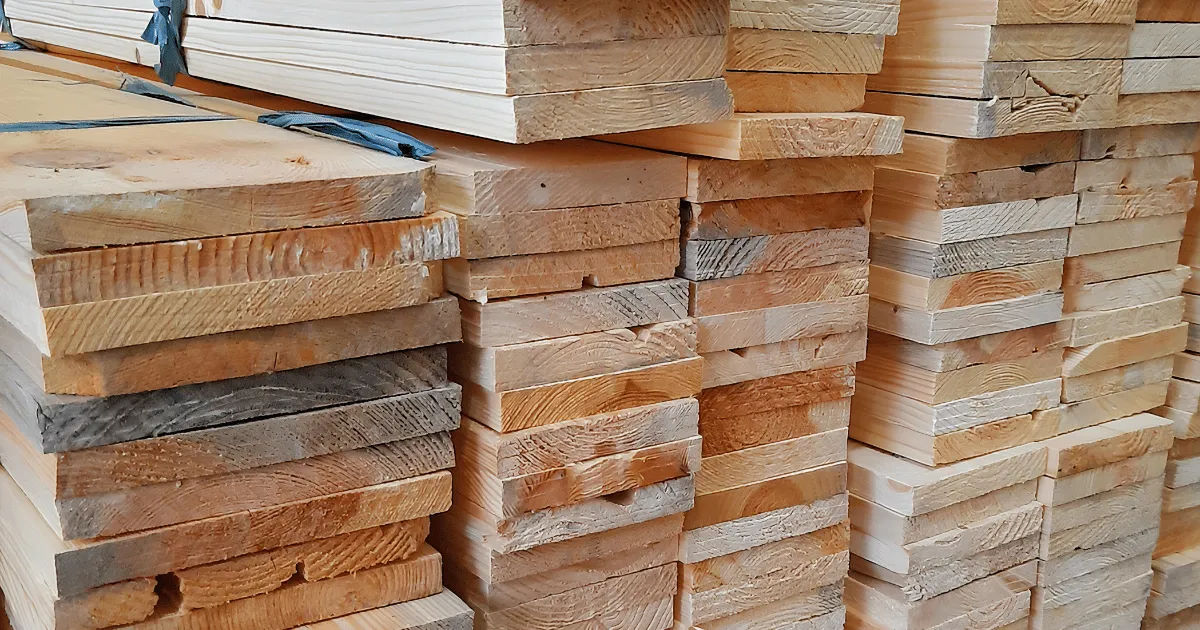
Instead of making manual calculations every time, the calculator delivers quick and accurate results, saving both time and effort.This guide explains how a board foot calculator works, why board feet matter, the formula behind the calculation, and how to use the tool correctly for different woodworking projects.
What Is a Board Foot?
A board foot is a unit of measurement used in the lumber industry to represent the volume of wood.
One board foot equals:
- 1 inch thick
- 12 inches wide
- 12 inches long
This means one board foot contains exactly 144 cubic inches of wood.
Unlike measuring lumber by length alone, board feet account for thickness, width, and length, making it a much more accurate measurement of lumber volume.
Why Measuring Lumber Volume Is Important
Knowing the volume of lumber is essential before purchasing materials.
Proper volume calculations help you:
- Estimate project costs accurately.
- Reduce wasted materials.
- Buy the correct amount of lumber.
- Compare prices between suppliers.
- Improve project planning.
- Avoid unnecessary trips to the lumber yard.
Professional builders and hobbyists alike depend on accurate lumber measurements to complete projects efficiently.
What Is a Board Foot Calculator?
A Board Foot Calculator is a tool that automatically calculates the volume of lumber based on its dimensions.
Instead of manually solving formulas, users simply enter:
- Thickness
- Width
- Length
- Quantity (optional)
The calculator instantly provides the total board feet.
Many online calculators also allow measurements in inches, feet, centimeters, or millimeters, making them convenient for users worldwide.
How Does a Board Foot Calculator Work?
The calculator follows a simple mathematical formula.
For lumber measured in inches and feet:
Board Feet = (Thickness × Width × Length) ÷ 12
Where:
- Thickness is measured in inches.
- Width is measured in inches.
- Length is measured in feet.
The calculator multiplies all three dimensions together before dividing by 12.
The result represents the total number of board feet.
Understanding the Formula
Let's break down the calculation step by step.
Suppose a board measures:
- Thickness = 2 inches
- Width = 8 inches
- Length = 10 feet
The formula becomes:
(2 × 8 × 10) ÷ 12
160 ÷ 12
= 13.33 board feet
This means the piece contains approximately 13.33 board feet of lumber.
A calculator performs this instantly without requiring manual calculations.
Why Divide by 12?
Many beginners wonder why the formula divides by 12.
The answer comes from the definition of one board foot.
Since one board foot equals:
1 × 12 × 12 = 144 cubic inches
And because length is entered in feet instead of inches, dividing by 12 converts the dimensions into board feet.
This standard has been used throughout the lumber industry for many decades.
Step-by-Step Example
Imagine you are purchasing hardwood boards.
Dimensions:
- Thickness: 1.5 inches
- Width: 6 inches
- Length: 12 feet
Multiply:
1.5 × 6 × 12 = 108
Divide by 12:
108 ÷ 12 = 9
The board contains 9 board feet.
This calculation helps determine pricing if lumber is sold per board foot.
Calculating Multiple Boards
Many projects require several boards.
Suppose you purchase:
- Thickness: 2 inches
- Width: 10 inches
- Length: 8 feet
- Quantity: 15 boards
First calculate one board:
2 × 10 × 8 = 160
160 ÷ 12 = 13.33 board feet
Multiply by 15:
13.33 × 15 = 199.95 board feet
The total purchase equals approximately 200 board feet.
Types of Lumber Measured in Board Feet
Board feet are mainly used for hardwood lumber.
Common examples include:
- Oak
- Maple
- Walnut
- Cherry
- Ash
- Mahogany
- Hickory
- Birch
Softwood lumber used in framing is often sold by nominal dimensions instead of board feet, although volume calculations are still useful.
Nominal Size vs Actual Size
One important factor is understanding nominal lumber dimensions.
For example:
A "2×4" board does not actually measure:
2 inches × 4 inches.
Instead, its actual dimensions are approximately:
1.5 inches × 3.5 inches.
Using actual measurements produces much more accurate volume calculations.
Common Uses of Board Foot Measurements
Board feet are useful in many woodworking projects.
Examples include:
- Kitchen cabinets
- Dining tables
- Shelving
- Wood flooring
- Staircases
- Interior trim
- Furniture
- Wooden doors
- Decorative panels
- Custom millwork
Professionals calculate board feet before ordering materials to avoid shortages.
Benefits of Using a Board Foot Calculator
Using a calculator offers many advantages.
Saves Time
Manual calculations become slow when measuring dozens of boards.
The calculator completes them instantly.
Improves Accuracy
Typing dimensions into the calculator reduces calculation mistakes.
Simplifies Project Planning
Builders know exactly how much lumber is required before purchasing materials.
Helps Estimate Costs
Many lumber suppliers charge by board foot.
Knowing total volume makes budgeting much easier.
Reduces Material Waste
Buying only the required amount helps minimize leftover wood.
Common Mistakes to Avoid
Even experienced woodworkers occasionally make errors.
Some common mistakes include:
Using Nominal Dimensions
Always measure actual board size rather than the advertised size.
Mixing Units
Do not combine inches, centimeters, and feet without converting measurements first.
Forgetting Quantity
When calculating multiple boards, always multiply by the total number purchased.
Incorrect Thickness
Thickness has a significant impact on total board feet.
Double-check measurements before entering them.
Manual Calculation vs Calculator
Manual calculations work well for a few boards.
However, projects involving dozens or hundreds of boards become much more difficult.
A calculator offers:
- Faster calculations
- Better consistency
- Fewer math errors
- Instant updates after changing dimensions
For professionals handling large inventories, calculators save considerable time.
Can the Calculator Handle Metric Measurements?
Yes.
Many modern calculators allow users to enter:
- Millimeters
- Centimeters
- Meters
The calculator automatically converts the measurements into board feet.
This feature is especially useful for international users working with metric systems.
Factors That Affect Lumber Volume
Several factors influence the total amount of usable lumber.
Thickness
Thicker boards contain more wood volume.
Width
A wider board naturally has more board feet.
Length
Longer boards produce greater volume.
Number of Boards
The total board feet increase proportionally with quantity.
Pricing Lumber by Board Foot
Hardwood suppliers commonly price lumber by board foot.
For example:
If hardwood costs:
$7 per board foot
And you need:
40 board feet
The total cost becomes:
40 × $7 = $280
Accurate volume calculations help prevent overspending.
Why Professionals Use Board Foot Calculators
Construction companies, cabinet makers, and furniture manufacturers rely on accurate volume estimates every day.
They use board foot calculations to:
- Prepare customer quotes.
- Estimate inventory.
- Plan production.
- Reduce purchasing errors.
- Improve budgeting.
- Manage wood supplies.
Even small improvements in accuracy can save significant money over large projects.
Choosing the Right Lumber
While board feet measure volume, choosing lumber also depends on quality.
Consider:
- Wood species
- Moisture content
- Grain pattern
- Knots
- Straightness
- Intended use
Volume is only one part of selecting the right material.
Tips for Accurate Measurements
To achieve reliable results:
- Measure actual board dimensions.
- Use a quality tape measure.
- Double-check every measurement.
- Round carefully when necessary.
- Measure each unique board separately.
- Record dimensions before purchasing.
Accurate input always produces accurate calculations.
Digital Board Foot Calculators
Today's online calculators include helpful features such as:
- Automatic unit conversion.
- Quantity calculations.
- Cost estimation.
- Mobile compatibility.
- Instant recalculation.
- Printable results.
These tools simplify lumber planning for beginners and professionals alike.
Who Should Use a Board Foot Calculator?
Many people benefit from this tool.
It is especially useful for:
- Woodworkers
- Carpenters
- Cabinet makers
- Contractors
- Furniture builders
- Lumber suppliers
- Homeowners
- DIY hobbyists
- Students learning woodworking
Anyone purchasing hardwood can use the calculator to estimate lumber volume accurately.
Conclusion
A board foot is the standard measurement used to determine the volume of hardwood lumber, making it an essential concept for anyone working with wood. Understanding how lumber volume is calculated helps improve planning, budgeting, and purchasing decisions for projects of every size.
A Board Foot Calculator makes this process simple by using the thickness, width, and length of a board to calculate its volume in board feet within seconds. Instead of relying on manual math, users receive quick, consistent, and accurate results that reduce mistakes and save valuable time.
Whether you are building furniture, remodeling a home, crafting cabinets, or managing commercial construction projects, using a board foot calculator helps ensure you buy the right amount of lumber while minimizing waste. With accurate measurements and proper planning, every woodworking project becomes more efficient, cost-effective, and successful.

Leave a Reply