

Yes, leather jackets can stretch with wear, especially when they are made from soft, flexible leather. A well-made jacket such as a Pelle Pelle leather jacket may gradually become more comfortable as the material responds to body heat, movement, and repeated use. However, leather does not stretch in exactly the same way as cotton, denim, or synthetic fabric.
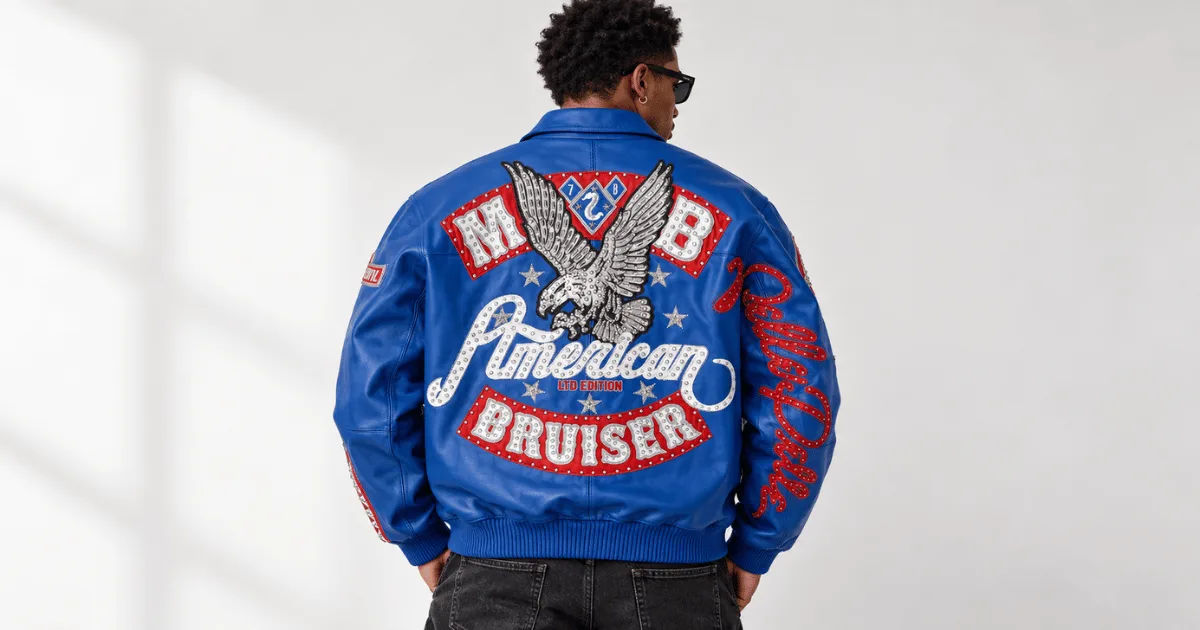
The amount of stretching depends on the type of leather, thickness, construction, fit, and how often the jacket is worn. A jacket that feels slightly snug may loosen naturally over time, while one that is significantly too small may never become large enough through normal wear.
Understanding how leather behaves can help you decide whether to keep wearing a tight jacket, condition it, or have it professionally altered. This guide explains how leather stretches, which areas change the most, how long the process takes, and how to stretch a leather jacket safely without damaging it.
How Does Leather Stretch With Wear?
Leather is a natural material made from animal hide. Its fibers have a certain amount of flexibility, allowing the material to adjust to movement and pressure.
When you wear a leather jacket, your shoulders, elbows, chest, back, and arms constantly move. Body heat and movement gradually soften the leather fibers. Over time, these fibers can relax and mold more closely to your body.
This process is often called breaking in.
Breaking in does not mean the jacket becomes dramatically larger. Instead, it usually becomes more flexible and comfortable. Areas that initially feel stiff may move more easily after repeated use.
A high-quality jacket can develop a natural shape based on the wearer's body. This is one reason leather jackets often become more comfortable and personal with age.
Does Every Type of Leather Stretch?
No. Different types of leather respond differently to wear.
The tanning method, animal hide, thickness, finish, and quality all influence how much a jacket can stretch.
Cowhide Leather
Cowhide is relatively thick and durable. It can take longer to break in than softer leather types.
A cowhide jacket may initially feel stiff around the shoulders and arms. With regular use, it can become noticeably more flexible, but significant size changes should not be expected.
Lambskin Leather
Lambskin is much softer and more flexible than many heavier leathers.
Because of its soft structure, lambskin can conform to the body relatively quickly. However, it can also be more vulnerable to excessive stretching, scratches, and damage.
Goatskin Leather
Goatskin offers a useful combination of durability and flexibility. It can gradually soften with wear while maintaining its overall structure.
It is often comfortable for jackets because it has a natural grain and can handle regular movement.
Suede
Suede can also change with use, but its surface and fiber structure require special care. Excessive moisture or aggressive stretching can permanently affect its appearance.
For this reason, suede jackets should generally be handled more carefully than smooth leather.
Which Parts of a Leather Jacket Stretch the Most?
Leather does not necessarily stretch evenly across the entire jacket. Areas that experience frequent movement and pressure usually change first.
Shoulders
The shoulder area may gradually conform to your body shape.
If the shoulders are only slightly tight, regular movement can make the jacket feel more comfortable. However, shoulder width is one of the most difficult areas to increase significantly.
If the shoulder seams sit far inside your natural shoulders, stretching is unlikely to solve the problem.
Sleeves and Elbows
Sleeves commonly become more flexible with wear.
The elbow area receives repeated bending, so the leather may naturally develop creases and become easier to move in. This can make the sleeves feel less restrictive.
Chest
The chest can experience some gradual expansion as you move, sit, reach, and layer clothing underneath.
However, a jacket that is extremely tight across the chest should not be expected to expand several sizes.
Waist
The waist can loosen somewhat with repeated movement, particularly if the jacket has a flexible construction.
Still, leather jackets are not designed to expand indefinitely. Excessive pulling can distort the jacket instead of producing an attractive fit.
Back
The back may become more comfortable as the leather follows your posture and movement.
This is particularly noticeable in jackets that initially feel stiff when reaching forward or driving.
How Long Does It Take for a Leather Jacket to Stretch?
There is no exact timeline because every jacket and wearer is different.
A lightly worn jacket may begin feeling more flexible within a few days or weeks. More substantial leather can take several weeks or even months to fully break in.
The amount of wear also matters. Someone who wears a jacket several times a week will usually notice changes sooner than someone who wears it once every few months.
The goal should not be to force the jacket to stretch quickly. Natural breaking in is generally safer than aggressive stretching methods.
Can You Stretch a Leather Jacket at Home?
Yes, but caution is important.
Leather can be damaged by excessive force, heat, or moisture. Before trying a home stretching technique, check the manufacturer's care instructions.
One of the safest approaches is simply to wear the jacket regularly.
Wear the Jacket Around the House
Put on the jacket for short periods while performing normal activities.
Move your arms naturally, bend your elbows, reach forward, and walk around. These movements allow the leather to adapt gradually.
Avoid aggressively pulling the material. Natural movement provides controlled pressure without putting excessive stress on seams.
Use a Leather Conditioner
A suitable leather conditioner can help soften certain types of leather.
Once leather becomes more flexible, it may respond more easily to normal movement. However, conditioner does not magically increase the jacket's size.
Always use a product appropriate for the specific leather. Test it on a small, hidden area first because some conditioners can darken or change the finish.
Layer Carefully
If a jacket is slightly snug, wearing it over a thin layer can help it adapt gradually.
For example, you might wear a lightweight shirt underneath rather than immediately trying to stretch the jacket over several thick layers.
The pressure should be gentle. Excessive layering can put too much stress on zippers, seams, and panels.
Should You Use Water to Stretch Leather?
Using water is a commonly discussed leather-stretching technique, but it carries risks.
Moisture can affect leather differently depending on its finish and tanning process. Too much water can cause staining, discoloration, stiffness, shrinkage, or changes in texture.
For an expensive or sentimental leather jacket, deliberately soaking it is usually not worth the risk.
If moisture is recommended for a particular leather product, follow the manufacturer's instructions carefully rather than relying on a general internet method.
Can Heat Stretch a Leather Jacket?
Heat can soften leather, but excessive heat can also cause serious damage.
Using a hair dryer at very high temperatures or placing leather near a heater can dry out the material. This may result in cracking, discoloration, or permanent changes to the leather.
A leather jacket should not be treated like a fabric garment that can simply be heated and reshaped.
If controlled heat is used at all, it should be done cautiously and according to professional leather-care guidance.
What If Your Leather Jacket Is Too Small?
The answer depends on how small it is.
If the jacket is only slightly tight, breaking it in may improve comfort. If the leather feels restrictive in one or two areas, normal wear may provide some relief.
However, if you cannot comfortably zip the jacket, the shoulders are clearly too narrow, or your movement is severely restricted, stretching is unlikely to provide a complete solution.
A professional leather tailor may be able to make alterations depending on the jacket's construction.
When Tailoring Makes More Sense
Leather alterations are more complicated than ordinary clothing alterations.
A tailor must consider seams, lining, panels, zippers, pockets, and the availability of matching leather.
Some jackets have enough seam allowance for small adjustments. Others do not.
Before making an alteration, ask a professional leather specialist to inspect the jacket. This is particularly important for premium jackets because an inexperienced alteration can permanently affect their appearance.
Can a Leather Jacket Stretch Too Much?
Yes.
Although leather is flexible, excessive stretching can permanently distort its shape.
The material may develop stretched areas that no longer match the surrounding panels. Seams can also experience unnecessary tension.
Overstretching can be especially noticeable around pockets, shoulders, elbows, and zipper areas.
The goal should be better flexibility and comfort, not maximum expansion.
Do Leather Jackets Shrink?
Leather can shrink under certain conditions, particularly when exposed to excessive moisture and heat.
Improper washing, soaking, or drying can cause leather fibers to contract.
This is why following the care instructions is so important. A jacket that has been accidentally exposed to water should generally be dried naturally rather than placed near a radiator or strong heat source.
If significant shrinkage occurs, a professional leather-care specialist may be able to improve the jacket's condition, although restoration cannot always return it to its original dimensions.
How Should a Leather Jacket Fit?
A leather jacket should feel comfortably close to the body without restricting normal movement.
When standing naturally, the shoulders should align with your shoulders. The sleeves should provide enough room for movement, and the chest should not feel painfully tight.
You should also consider what you normally wear underneath the jacket.
A lightweight fashion jacket may be designed for a T-shirt or thin shirt. A heavier motorcycle or winter jacket may require additional room for layers.
A good fit matters because leather usually becomes more comfortable through breaking in, but it does not reliably transform an incorrectly sized jacket into the correct size.
Signs That Your Jacket Is Too Tight
There are several warning signs that a jacket is genuinely too small.
If the zipper constantly pulls apart, the back forms excessive horizontal tension lines, or you cannot comfortably move your arms, the jacket may be undersized.
Another warning sign is excessive tension around the armholes and shoulders.
If you have to force your arms into the sleeves or feel significant pressure when reaching forward, simply wearing the jacket more may not solve the problem.
Signs That Your Jacket Fits Properly
A properly fitted leather jacket should allow normal movement without looking excessively loose.
You should be able to bend your arms and reach forward without severe restriction. The shoulders should sit naturally, and the jacket should maintain its intended shape.
Small areas of initial stiffness are normal.
In fact, some high-quality leather jackets can feel somewhat firm when new and become noticeably more comfortable after regular wear.
How to Break In a Leather Jacket Safely
Breaking in leather is mostly about patience.
Wear the jacket regularly for short or moderate periods. Allow your natural movements to soften areas such as the elbows, shoulders, and back.
Keep the jacket away from unnecessary moisture and extreme heat.
Condition the leather only when appropriate and use products designed for that particular type of leather.
Avoid aggressively twisting, pulling, soaking, or heating the jacket. These shortcuts may produce temporary changes while creating permanent damage.
For a premium jacket such as a Pelle Pelle, gentle breaking in and proper care can help preserve both the leather and the jacket's original design.
Why Does Leather Become More Comfortable Over Time?
Leather contains a network of natural fibers. Repeated movement can cause these fibers to relax and become more flexible.
The jacket also begins responding to the wearer's posture and movement.
For example, the elbows may develop natural creases, while the back and shoulders may become more comfortable during movement.
This process gives leather jackets their characteristic worn-in appearance.
Unlike synthetic materials that may retain a relatively uniform shape, natural leather can develop unique marks and changes through use.
Does Conditioning Make Leather Stretch?
Conditioning can make leather softer and more flexible, but it does not necessarily make the jacket substantially larger.
A conditioner helps maintain the leather's suppleness and may make movement easier.
This distinction is important.
If your jacket is stiff but correctly sized, conditioning may improve its comfort. If your jacket is two sizes too small, conditioner will not reliably turn it into a properly sized jacket.
Using too much conditioner can also make leather greasy, darken the surface, or affect certain finishes.
Common Mistakes When Stretching Leather Jackets
One of the biggest mistakes is trying to stretch leather quickly.
People sometimes pull the jacket aggressively, soak it in water, apply excessive heat, or wear it with very thick layers. These methods can create uneven stretching and damage.
Another mistake is ignoring the leather type.
A technique that may work for one unfinished leather may be inappropriate for a finished, dyed, suede, or specially treated material.
It is also a mistake to assume that every tight jacket simply needs more wear.
If the basic dimensions are wrong, professional alteration or replacement may be a better option.
Frequently Asked Questions
Do leather jackets stretch naturally?
Yes, leather jackets can stretch and soften naturally through regular wear. The change is usually gradual rather than dramatic. Movement, body heat, and repeated use can help the leather conform to the wearer's shape.
How much can a leather jacket stretch?
There is no universal amount. A slightly tight jacket may become more comfortable, but leather generally cannot be expected to increase by multiple sizes. The leather type, thickness, construction, and location of the tightness all matter.
Does wearing a leather jacket every day stretch it?
Regular wear can help a leather jacket break in faster. Normal movements gradually soften areas that experience repeated pressure. However, wearing it every day does not guarantee significant size expansion.
Can I stretch leather with a hair dryer?
High heat is not recommended because it can dry leather and cause cracking, discoloration, or other damage. If a particular leather-care method involves controlled heat, follow the manufacturer's instructions carefully.
Will leather conditioner stretch my jacket?
Leather conditioner can make suitable leather softer and more flexible, which may make a jacket feel less restrictive. However, conditioner does not reliably increase the jacket's dimensions by a significant amount.
Should I buy a leather jacket slightly tight?
A leather jacket can be slightly snug if you can move comfortably and the shoulders and basic dimensions fit correctly. It may become more comfortable as it breaks in. However, buying a jacket that is substantially too small is not a good strategy because stretching has limits.
Conclusion
So, do leather jackets stretch with wear? Yes, but usually to a limited degree. Leather naturally becomes softer, more flexible, and better shaped to your body as you wear it. This gradual breaking-in process can make a jacket that initially feels somewhat stiff or snug much more comfortable.
The key is understanding the difference between stretching and breaking in. A leather jacket may adapt to your body without actually becoming several sizes larger. Areas such as the elbows, sleeves, chest, and back can become more flexible, while structural areas such as the shoulders have much less room for expansion.
The safest approach is patience. Wear the jacket naturally, use appropriate leather-care products when needed, and avoid aggressive methods involving excessive water, force, or heat. If a jacket is seriously undersized, professional tailoring or a different size is usually a better solution than trying to force the leather to expand.
With proper care, a quality leather jacket can become increasingly comfortable while developing a unique character through regular use. Whether you own a classic Pelle Pelle design or another leather style, treating the material gently is the best way to preserve its fit, appearance, and durability for years.

Leave a Reply