

Handcrafted brooches are small accessories that can make a big difference to an outfit. They add personality, color, texture, and a sense of individuality without requiring a complete change of wardrobe. Whether you are dressing for a formal event, a casual day out, a wedding, or a professional setting, the right brooch can become an attractive finishing detail.
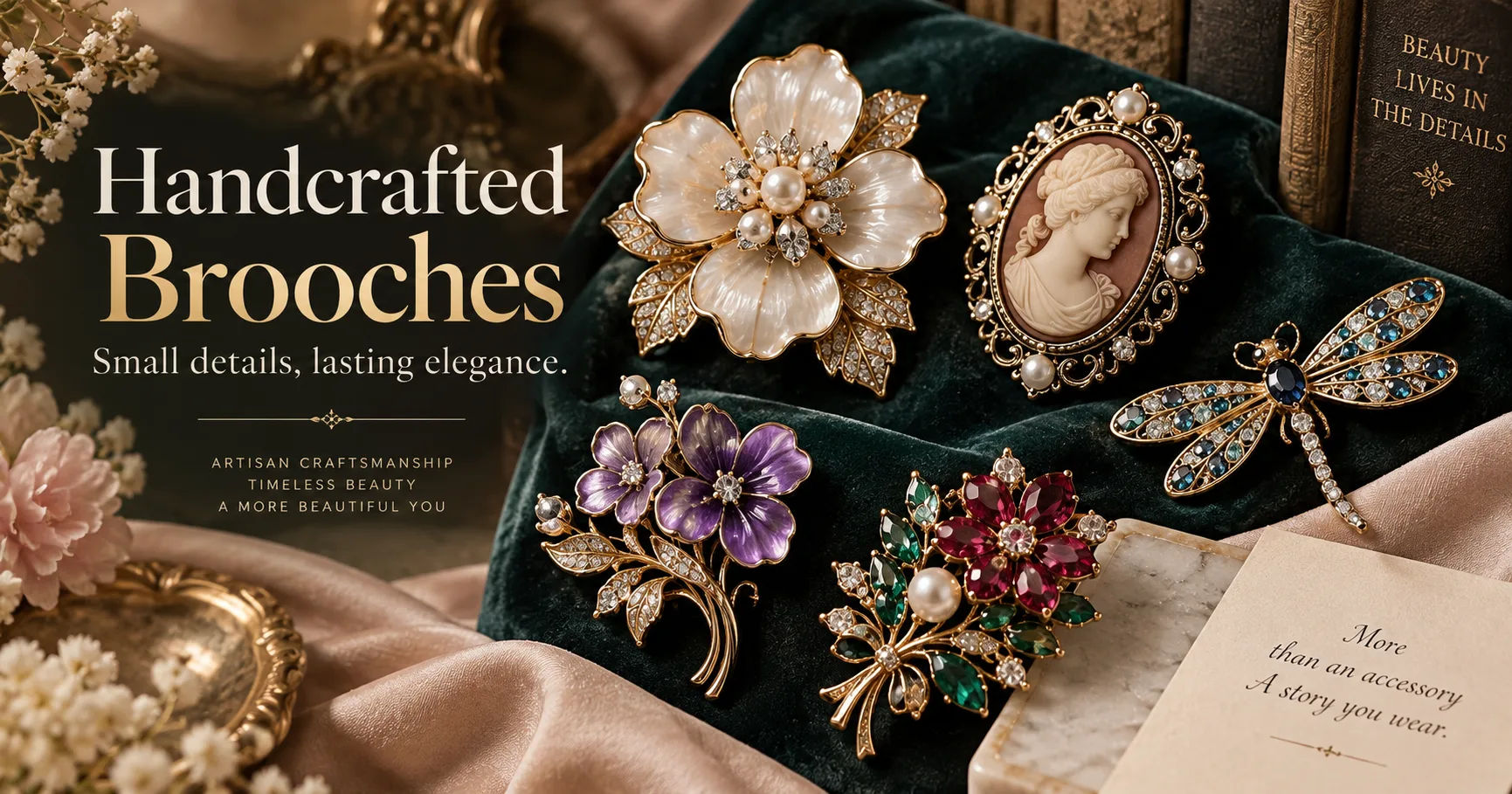
Unlike mass-produced accessories, handcrafted pieces often have unique shapes, materials, colors, and artistic details. This makes them especially useful when you want an outfit to feel personal rather than ordinary. The key is knowing where to place the brooch, what to pair it with, and how much visual attention you want the accessory to receive.
Why Brooches Are Worth Styling
A brooch is more versatile than many people realize. It can be worn on clothing, scarves, bags, hats, and other accessories. Its placement can completely change the appearance of an outfit.
A simple blazer can look more polished with a small decorative brooch. A plain dress can gain a focal point from a colorful design. Even a basic scarf can become more interesting when secured with a carefully selected piece.
The handmade quality also adds character. Small differences in texture, shape, or finish can make each piece feel distinctive.
Choose a Brooch Based on Your Outfit
Before putting on a brooch, consider the overall style of your clothing. The accessory should complement the outfit rather than compete with every other detail.
Match the Colors
Color is one of the easiest ways to create a coordinated appearance.
If your outfit is mostly neutral, such as black, white, beige, navy, or gray, you have more freedom to introduce a colorful brooch. A bright floral design, jewel-toned piece, or multicolored accessory can become the main accent.
For a colorful outfit, consider a brooch that repeats one of the existing shades. This creates a connection between the accessory and the clothing without making the look too busy.
You do not always need an exact color match. Similar or complementary shades can create a more natural appearance.
Consider the Fabric
The fabric of your clothing also matters. Lightweight materials require smaller and lighter accessories because a heavy brooch can pull the fabric downward.
Structured materials such as denim, wool, tweed, and thicker cotton can usually support larger designs more easily.
For delicate fabrics such as silk or chiffon, choose carefully and check that the fastening mechanism will not damage the material.
Style a Brooch on a Blazer
A blazer is one of the classic places to wear a brooch. Traditionally, brooches are positioned on the upper part of the lapel, creating a polished and balanced appearance.
A small metallic design can work well with a professional blazer. For a more creative outfit, you can choose a handmade floral, geometric, animal, or abstract design.
Create a Professional Look
For work or formal meetings, keep the design relatively simple. A small brooch in a restrained color can add personality while maintaining a professional appearance.
Try placing it on the left or right lapel depending on the design and the rest of your accessories. If you are already wearing a large necklace, statement earrings, or an elaborate scarf, a smaller brooch may provide better balance.
Try an Asymmetrical Style
You do not have to follow traditional placement. Positioning the brooch slightly away from the standard lapel area can create a modern look.
Asymmetrical styling works particularly well with artistic handmade pieces because their unusual shapes can become part of the outfit's visual design.
Add Personality to a Plain Dress
A plain dress provides an excellent background for decorative accessories.
If you are wearing a simple black or solid-colored dress, a detailed brooch can act as a focal point. Place it near the neckline, shoulder, waist, or upper chest depending on the shape of the dress.
Use One Statement Piece
A large brooch can work as the main accessory. When using this approach, keep other accessories relatively simple.
For example, a decorative floral brooch with a plain dress can be paired with understated earrings and a simple bracelet. This allows the brooch to receive attention without creating visual competition.
Use Multiple Small Brooches
You can also create a creative arrangement with several small pieces. Place them close together to form a small cluster.
This works especially well with themed designs. For example, several nature-inspired pieces can create an artistic garden-inspired arrangement.
However, avoid randomly placing too many accessories. A deliberate arrangement usually looks more polished.
Style Brooches With Scarves
Scarves and brooches are a natural combination because the brooch can serve both a decorative and practical purpose.
Instead of simply tying a scarf, use a brooch to secure a fold or create an interesting drape.
Create a Shoulder Drape
Place the scarf over your shoulders and use a brooch to secure one side. This can create an elegant appearance for dresses, coats, or evening outfits.
Choose a brooch with a secure fastening system, especially if the scarf is slippery.
Add Detail to a Simple Knot
If you prefer wearing your scarf around your neck, position a small brooch near the knot or fold. The accessory can add a subtle decorative element without changing the overall shape of the scarf.
Wear Brooches on Coats and Jackets
Outerwear often contains large areas of plain fabric, making it ideal for decorative accessories.
A wool coat, trench coat, denim jacket, or structured jacket can all provide an excellent background.
A colorful handmade piece can brighten a dark winter coat. Meanwhile, a neutral or metallic design can enhance a classic trench coat.
Try Different Placement
The collar is not the only option. You can place a brooch near the shoulder, chest, pocket, or belt area.
A brooch positioned near a pocket can look especially interesting when the design visually connects with the pocket shape.
Decorate a Handbag
Your brooch does not have to stay on clothing. Adding one to a handbag can give an old or simple bag a fresh appearance.
Fabric, canvas, denim, and other suitable materials can work well with decorative pins.
Before attaching anything, make sure the material can safely support the fastening mechanism. Avoid damaging expensive leather or delicate materials unless the brooch is specifically designed for that purpose.
You can also move the same brooch between your bag and clothing, giving you more styling options from one accessory.
Style Brooches With Hats
A hat can become more distinctive with a carefully positioned brooch.
A small handmade piece can be attached to the side of a felt hat, beret, fabric hat, or other suitable style.
For a simple hat, a colorful brooch can provide an attractive focal point. If the hat already has a ribbon, bow, or decorative band, choose a smaller design so the details do not compete.
Match Brooches With Jewelry
Accessories should work together visually.
If your brooch contains gold-colored details, gold-toned earrings or bracelets can create coordination. The same principle applies to silver, bronze, pearls, or other finishes.
However, matching every accessory exactly is not necessary. Mixing metals and textures can create a contemporary appearance when done thoughtfully.
Balance Statement Accessories
If the brooch is large and detailed, consider reducing the size of other accessories.
For example, a statement brooch can be paired with small earrings rather than large chandelier earrings. This creates a clear focal point.
If the brooch is tiny and subtle, you can be more flexible with other accessories.
Style According to the Occasion
The occasion should influence both the size and design of your accessory.
Everyday Outfits
For everyday clothing, choose comfortable and lightweight designs. A small floral, geometric, animal, or abstract piece can add interest to a shirt, cardigan, jacket, or scarf.
The goal is to make the accessory feel natural rather than overly formal.
Office Wear
For office clothing, simple designs are generally easy to incorporate. A brooch can add personality to a blazer, cardigan, or structured dress while keeping the outfit neat.
Avoid placing it where it interferes with movement, pockets, buttons, or other functional details.
Weddings and Celebrations
Special occasions give you more freedom to experiment.
Detailed handcrafted brooches featuring beads, embroidery, pearls, crystals, fabric flowers, or metallic elements can complement festive clothing beautifully.
For wedding outfits, consider choosing colors that coordinate with your dress, shawl, dupatta, shoes, or handbag.
Evening Events
An evening outfit can support more dramatic accessories. A larger brooch with reflective or metallic details can add visual interest to a simple evening dress, jacket, or wrap.
Use lighting and fabric to your advantage. A textured accessory can look particularly attractive against a smooth, plain fabric.
Create a Vintage-Inspired Look
Brooches are strongly associated with classic fashion, so they are excellent for vintage-inspired styling.
Try combining an antique-looking design with a high-neck blouse, structured jacket, pleated skirt, or classic dress.
Pearl details, floral shapes, cameos, filigree-style designs, and aged-metal finishes can support a vintage aesthetic.
The rest of the outfit does not need to be completely vintage. Combining one traditional-looking accessory with modern clothing can create an updated interpretation of classic fashion.
Experiment With Layering
Layering is another way to make a brooch more noticeable.
For example, place a brooch over a folded scarf on a coat. You could also use it to secure two layers of fabric or highlight an overlapping section of a jacket.
When layering, make sure the fastening mechanism can safely pass through the materials. Too many layers may prevent the clasp from closing properly.
Think About Proportion
Proportion is important when styling any accessory.
A very small brooch may disappear on a large coat, while an oversized piece might overwhelm a delicate blouse.
Consider both your clothing and the area where the brooch will be placed. Larger garments can often support larger accessories, while smaller details may look better with delicate pieces.
The goal is visual balance.
Avoid Overcrowding Your Outfit
One common styling mistake is wearing too many statement accessories at once.
If you choose a highly detailed brooch, you may not need a large necklace, dramatic earrings, an elaborate scarf, and a decorated handbag simultaneously.
Instead, decide which accessory should attract the most attention.
This does not mean the rest of your outfit needs to be plain. It simply means that the accessories should have a clear visual hierarchy.
Take Care of Your Brooches
Proper care helps preserve the appearance of handmade accessories.
Store each piece in a dry, safe place where it will not be crushed by heavier jewelry. If the design contains fabric, embroidery, beads, or delicate decorations, avoid exposing it unnecessarily to water and perfume.
After wearing the brooch, check the clasp and decorative elements. If anything becomes loose, repair it before wearing the piece again.
Keep handcrafted accessories away from excessive moisture, direct sunlight, and harsh chemicals when the materials are sensitive.
Conclusion
Styling handcrafted brooches is about using a small accessory to express personal taste. Their versatility allows them to work with blazers, dresses, coats, scarves, handbags, and hats.
The most important considerations are color, fabric, proportion, placement, and occasion. A simple brooch can provide a subtle finishing touch, while a larger artistic design can become the centerpiece of an outfit.
Do not feel limited to traditional lapel placement. Experiment with scarves, pockets, shoulders, waistlines, bags, and hats to discover combinations that suit your clothing.
Most importantly, choose accessories that feel natural with your personal style. A well-placed brooch does not need to dominate an outfit to make an impression. Sometimes, a small handcrafted detail is enough to turn a familiar outfit into something that feels completely different.

Leave a Reply