

Android games have become an important part of modern digital entertainment. Millions of people use smartphones and tablets to enjoy interactive experiences wherever they are. Unlike traditional computer games that depend on keyboards and mice, mobile games allow players to control characters, objects, and other activities directly through their screens. Understanding how these games operate helps explain the technology behind modern mobile entertainment. From simple tapping activities to advanced multiplayer experiences, online games use different technologies to provide smooth controls and responsive gameplay.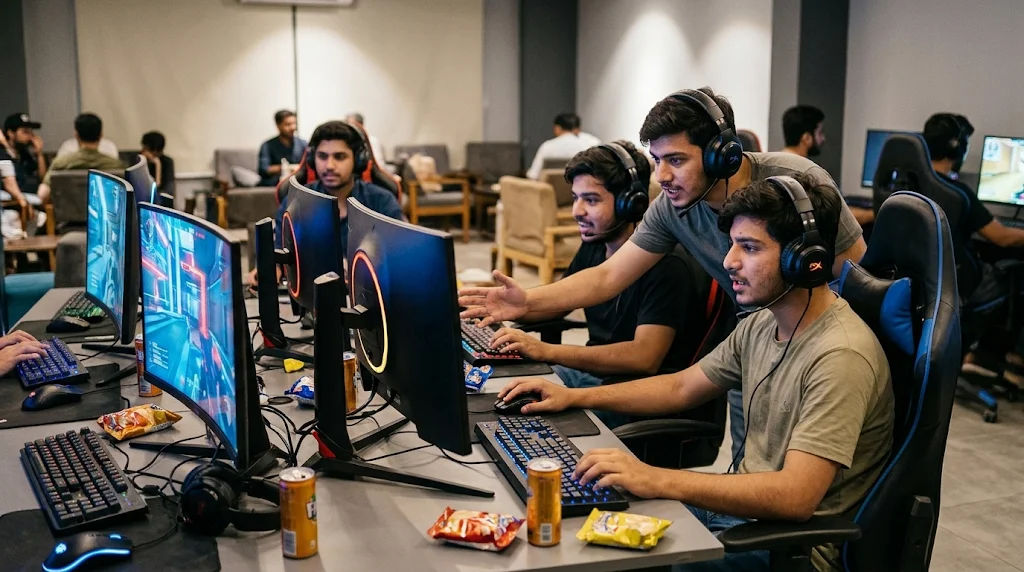
A touchscreen Android game works through a combination of hardware, software, sensors, and programming. When a player touches the screen, the device detects the movement and sends information to the game. The game then processes the input and performs the requested action. This process happens extremely quickly, allowing players to interact naturally with the game. Whether someone is moving a character, selecting an item, or controlling a vehicle, touchscreen technology makes these actions possible.
Understanding how this system works involves exploring touchscreen hardware, Android operating systems, game engines, user interfaces, graphics processing, and touch recognition. Each component plays an important role in creating an enjoyable gaming experience.
Android Touchscreen Games
Spil uden login er browserbaserede eller downloadbare underholdningsoplevelser, der giver besøgende mulighed for at begynde at spille uden at oprette en konto. Platforme som OPEN88 kan forbindes med denne type spiloplevelse, hvor hurtig adgang er en vigtig fordel.
I modsætning til traditionelle spiltjenester kræver disse platforme ikke altid brugernavne, adgangskoder, e-mailbekræftelse eller personlige profiler.
Android-spil med touchskærm er applikationer, der er udviklet specifikt til enheder med Android-operativsystemet. De giver spillerne mulighed for at interagere med digitalt indhold ved hjælp af fingrene i stedet for eksterne inputenheder.
The touchscreen acts as both an input and an output system. It displays the game while also receiving instructions from the player. This combination makes smartphones convenient gaming devices.
For example, when a player taps a button to jump, the screen detects the touch and sends an instruction to the game. The software interprets the instruction and displays the character jumping.
The Role of Touchscreen Technology
Touchscreen technology allows users to communicate directly with applications through physical contact with the display. Most modern Android smartphones use capacitive touchscreens.
These screens detect changes in electrical properties when a finger touches their surface. A special sensor layer identifies the location of the touch and communicates that information to the device.
The game receives this information and determines which action should happen.
Common touchscreen actions include:
-
Tapping to select an object or button.
-
Swiping to move between screens.
-
Dragging to move objects.
-
Pinching to zoom in or out.
-
Holding a finger to activate a particular action.
These gestures provide different ways to control game features without requiring additional equipment.
Why Touchscreen Controls Are Convenient
Touchscreen controls make mobile gaming accessible because most people already understand how to use smartphone displays.
Players do not need to learn complicated keyboard combinations or purchase separate controllers. They can simply touch the screen to interact with the game.
Developers can also customize controls according to the game's requirements. A racing game might use steering buttons, while a puzzle game might rely on tapping and dragging.
This flexibility makes touchscreen gaming suitable for different audiences and gaming styles.
How Does an Android Touchscreen Detect Player Input?
The touchscreen is one of the most important components of an Android gaming device. It continuously monitors contact with the display and identifies different touch movements.
When a player touches the screen, the touchscreen controller measures the position of the contact. It then sends this information to the Android operating system.
The operating system processes the information and delivers relevant touch events to the application.
Capacitive Touch Detection
Most Android smartphones use capacitive technology because it provides accurate and responsive touch recognition.
A capacitive display contains a conductive layer that maintains an electrical field. When a finger touches the screen, it changes the electrical conditions around the contact point.
Sensors detect this change and calculate the location of the touch.
The device can recognize multiple contact points simultaneously. This capability is known as multitouch.
For example, a player can use one finger to move a character while another finger activates a special ability.
Understanding Touch Events
Android applications receive different types of touch events. These events help games understand what the player is doing.
The main touch events include:
-
ACTION_DOWN: Indicates that a finger has touched the screen.
-
ACTION_MOVE: Indicates that the finger is moving.
-
ACTION_UP: Indicates that the finger has been lifted.
-
ACTION_CANCEL: Indicates that the current touch interaction has been interrupted.
These events provide the information needed to create responsive controls.
For example, a game can recognize a swipe by comparing the starting and ending positions of a finger.
The Role of the Android Operating System
The Android operating system manages communication between the smartphone's hardware and applications.
It receives information from the touchscreen and makes that information available to the game. It also manages memory, processing resources, sound, graphics, and other important functions.
Without the operating system, a game would not be able to communicate effectively with the device's hardware.
Processing Touchscreen Instructions
When a player interacts with a game, Android receives the touch information and sends the relevant event to the application.
The game examines the event to determine what action should happen.
For example, tapping a menu button might open a settings screen. Dragging an object might move it across the display.
Android helps organize these interactions so that different applications can use touchscreen hardware consistently.
Managing Device Resources
Android also manages the resources required to run games.
These resources include:
-
Random access memory.
-
Processor performance.
-
Graphics processing.
-
Battery consumption.
-
Background application activity.
-
Audio output.
Effective resource management helps games operate without unnecessary interruptions.
A demanding game may require more processing power and memory than a simple puzzle application. Android helps distribute available resources while maintaining overall device stability.
How Game Engines Make Touchscreen Games Work
A game engine is a software framework that provides tools for developing and operating games.
Instead of building every feature from the beginning, developers can use an engine to manage graphics, animation, sound, physics, and player interactions.
Popular game development engines include Unity and Unreal Engine.
These platforms provide development tools that make it easier to create games for Android devices.
Processing Player Actions
Game engines help translate player input into meaningful actions.
For example, when a player taps a button, the engine receives the input and checks which game object or function is connected to that button.
It then activates the appropriate action.
If the button is connected to a jumping function, the character performs a jump.
This process allows developers to create complicated interactions using organized programming systems.
Managing Game Physics
Physics systems help make game environments appear realistic.
They control movement, collisions, gravity, and interactions between objects.
For example, when a character jumps, the physics system calculates its movement through the virtual environment.
Similarly, when two objects collide, the engine determines how they should react.
These calculations make games more believable and interactive.
How Touch Controls Are Designed
Touchscreen controls are an essential part of mobile game development. Developers must design them carefully so players can perform actions without difficulty.
A good control system should be responsive, understandable, and comfortable to use.
Poorly designed controls can make even an interesting game frustrating.
Virtual Buttons
Virtual buttons are displayed directly on the touchscreen.
They perform functions similar to physical controller buttons.
For example, an action game might display separate buttons for jumping, attacking, and moving.
When players touch these buttons, the game receives the corresponding instructions.
Developers can adjust their size, location, appearance, and behavior to suit different screen dimensions.
Gesture-Based Controls
Some games use gestures instead of traditional buttons.
Players can perform actions by swiping, tapping, dragging, or holding their fingers against the display.
For example, a puzzle game might allow players to drag matching objects together.
A running game might use upward swipes to make a character jump.
Gesture-based controls reduce the need for visible buttons and can create a cleaner interface.
Multitouch Controls
Multitouch technology allows the screen to recognize multiple fingers simultaneously.
This feature is especially important in action, adventure, and racing games.
A player might use one finger to control movement and another to activate an ability.
However, developers must ensure that multiple inputs are processed correctly. Otherwise, controls may become confusing or unresponsive.
How Android Games Display Graphics and Animation
Graphics and animation make touchscreen games visually interesting.
The smartphone's graphics processing unit, commonly called the GPU, helps create and display images, effects, and animations.
The CPU handles general processing tasks, while the GPU specializes in graphical operations.
Together, these components allow games to display interactive environments.
Understanding Frame Rates
Games display a sequence of images called frames to create the appearance of movement.
The number of frames displayed each second is called the frame rate.
For example, a game running at 60 frames per second displays 60 individual frames every second.
A consistent frame rate generally creates smoother animation and more responsive gameplay.
However, performance depends on the smartphone's hardware and the game's graphical requirements.
Screen Resolution and Display Quality
Screen resolution determines how many pixels are used to display an image.
Higher resolutions can produce sharper visuals, but they may also require additional graphics processing power.
Developers often optimize games to support different Android screen sizes and resolutions.
This allows their applications to work across smartphones and tablets with different display specifications.
How Sound and Vibration Improve Gameplay
Sound and vibration provide additional feedback during gameplay.
They help players understand what is happening without constantly watching every detail on the screen.
For example, a sound effect might indicate that a player has collected an item or completed a level.
Vibration can provide feedback when an action occurs.
Audio Feedback
Android games use audio systems to play background music, sound effects, and other audio elements.
Developers can connect specific sounds to particular actions.
For example, pressing a button might produce a short sound, while completing a level might activate a musical effect.
These sounds help make the experience more engaging.
Haptic Feedback
Haptic feedback uses device vibrations to communicate information.
It can make certain actions feel more noticeable.
For example, a game might produce a brief vibration when a player interacts with an important object.
However, developers should use vibration carefully because excessive feedback can become distracting and consume additional battery power.
How Internet Connectivity Supports Mobile Games
Not every Android game requires an internet connection. Some games operate completely offline, while others depend on online services.
Internet connectivity becomes important when games include multiplayer features, cloud synchronization, online competitions, or regularly updated content.
Multiplayer Gaming
Multiplayer games allow people to interact with other players through internet connections.
When a player performs an action, the game sends relevant information to a remote server or another connected system.
The server processes the information and distributes updates to participating players.
This process helps synchronize the game environment.
The quality of the internet connection can affect responsiveness. Slow or unstable connections may create delays between player actions and visible results.
Cloud Saving and Game Updates
Some games store player progress through cloud services.
This allows players to access saved information across supported devices.
Online services can also provide updates, new levels, bug fixes, and additional features.
These functions help developers maintain their games after release.
How Developers Optimize Android Touchscreen Games
Optimization is the process of improving game performance while making efficient use of available device resources.
Android smartphones have different processors, screen sizes, memory capacities, and battery specifications.
Developers must consider these differences when building games.
Improving Touch Responsiveness
Responsive controls are essential for a positive gaming experience.
Developers reduce unnecessary processing delays and design efficient input systems to make interactions feel immediate.
They also test controls on different devices to identify problems involving touch accuracy or screen dimensions.
Reducing Battery Consumption
Mobile games can consume significant battery power because they use processing, graphics, audio, and network resources.
Developers can improve efficiency by reducing unnecessary background operations and adjusting graphical settings.
They may also provide options for lower graphics quality or reduced visual effects.
These improvements help games operate more efficiently.
Supporting Different Screen Sizes
Android devices are available in many shapes and sizes.
A game designed for one smartphone may not automatically provide a comfortable experience on another device.
Developers use flexible layouts and scalable interface elements to address this challenge.
They adjust button positions, menus, and visual elements according to the available display space.
Common Problems With Android Touchscreen Games
Although modern touchscreen technology is advanced, players can sometimes experience technical problems.
Understanding common issues helps explain why a game may not respond as expected.
Delayed Touch Response
Touch delay happens when there is a noticeable gap between a player's action and the game's reaction.
Possible causes include heavy processing demands, background applications, software problems, or performance limitations.
Closing unnecessary applications and keeping the game updated may help improve performance.
Inaccurate Touch Recognition
Sometimes, a game may fail to recognize a touch correctly.
This can happen because of display problems, screen protectors, software errors, or accidental contact with other parts of the screen.
Keeping the display clean and checking device settings can help identify the issue.
Game Freezing and Crashing
A game may freeze or close unexpectedly when it encounters software errors or insufficient resources.
Possible reasons include outdated applications, limited memory, incompatible software, or excessive processing demands.
Updating the application and operating system can help resolve certain problems.
The Future of Android Touchscreen Gaming
Android touchscreen technology continues to develop as smartphones become more powerful.
Modern devices offer faster processors, improved displays, better graphics, and more advanced sensors.
These improvements create opportunities for more interactive gaming experiences.
Better Touch Recognition
Future touchscreen systems may offer improved accuracy and responsiveness.
This could make complicated gestures and multitouch interactions easier to perform.
Developers can use these improvements to create more detailed control systems.
Advanced Graphics and Artificial Intelligence
More powerful smartphone hardware supports increasingly detailed graphics and sophisticated game environments.
Artificial intelligence can also help developers create smarter non-player characters, adaptive difficulty systems, and more personalized experiences.
These technologies can make games more engaging without making controls unnecessarily complicated.
Improved Accessibility
Accessibility is another important area of development.
Developers can introduce adjustable button sizes, alternative control layouts, customizable sensitivity, and clearer visual instructions.
These features help more people interact comfortably with mobile games.
Conclusion
An Android game designed for touchscreen devices works through cooperation between the touchscreen, operating system, game engine, processor, graphics hardware, and application software. Each component performs a specific task that allows players to interact with digital environments using simple physical gestures.
When someone touches the display, the touchscreen detects the contact and sends information to Android. The operating system delivers the relevant event to the game, and the game's programming determines what action should occur. The processor handles calculations, while the graphics hardware displays the resulting changes.
Different control methods, including tapping, swiping, dragging, and multitouch gestures, make mobile gaming flexible and convenient. Game engines provide the tools needed to manage these interactions, animations, physics, and sound. Internet connectivity adds further possibilities through multiplayer features, cloud saving, and online updates.
Developers must also consider performance, battery consumption, screen sizes, and accessibility when creating touchscreen experiences. Proper optimization ensures that games remain responsive across different Android devices.
As smartphone technology continues improving, touchscreen games are likely to become more advanced and accessible. Better displays, faster processors, improved sensors, and smarter software will create new opportunities for developers and players. Understanding these systems explains why Android touchscreen gaming has become such an important part of modern digital entertainment.

Leave a Reply