

Streetwear looks effortless when it is finished, but getting a good streetwear garment from an idea to a production-ready product takes careful sampling. A sketch, reference photo, fabric choice, and size chart are only the starting points. Before a brand commits to a full production run, samples are used to test whether the design actually works on a real garment.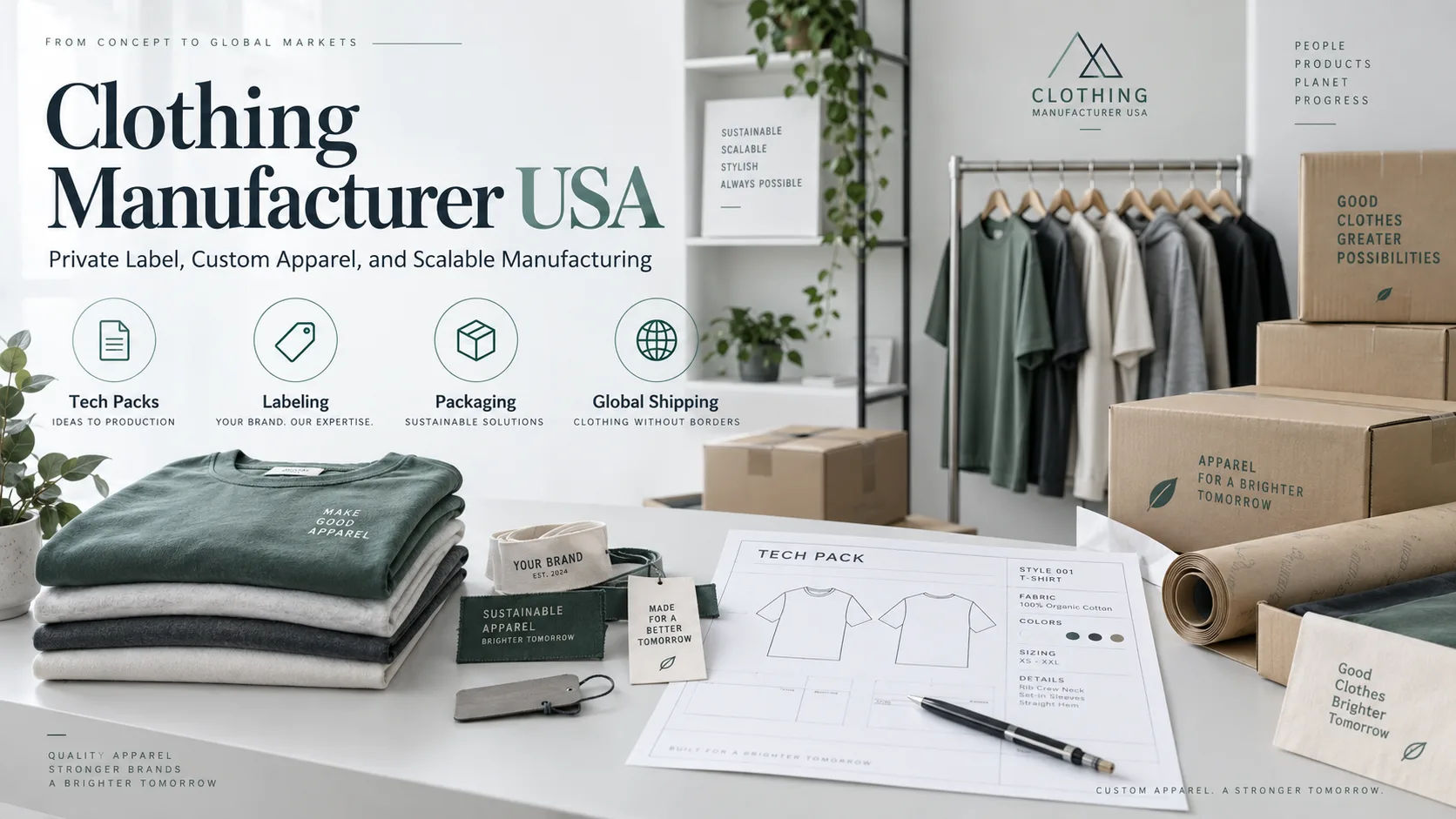
A private label clothing manufacturer typically treats sampling as a development process rather than simply making one piece of clothing. The manufacturer may create several versions before the fit, fabric, construction, colors, trims, labels, and finishing details meet the brand's expectations. This process is especially important in streetwear because oversized silhouettes, heavy fabrics, unusual proportions, graphics, embroidery, washes, and custom details can make production more complicated than it first appears.
Understanding how sampling works helps a streetwear brand communicate better with manufacturers, control development costs, and avoid unpleasant surprises during bulk production.
What Is Sampling in Private Label Streetwear?
Sampling is the process of producing a physical garment before mass production begins. The sample allows the brand to inspect the actual product instead of relying only on drawings, measurements, fabric swatches, or digital mockups.
For example, a brand may want to produce an oversized heavyweight hoodie. On paper, the concept might look simple. In reality, the manufacturer has to determine the correct fabric weight, rib structure, hood shape, shoulder drop, sleeve width, body length, pocket placement, stitching, and finishing.
The sample brings those decisions together.
A private label clothing manufacturer can use the sample to identify technical problems before hundreds or thousands of garments are produced.
Sampling also gives the brand an opportunity to make changes. Perhaps the sleeves are too wide, the hood does not sit correctly, the body is too short, or the fabric feels heavier than expected. These issues are much easier and cheaper to correct during development than after bulk production.
How Does a Streetwear Manufacturer Start the Sampling Process?
The process normally begins with the brand's product information.
A manufacturer may request a tech pack, sketches, reference garments, measurements, artwork, fabric preferences, color references, and details about labels and packaging.
The more precise the information is, the easier it becomes to create an accurate sample.
Reviewing the Design
The manufacturer first reviews the proposed garment to understand its construction.
For a basic T-shirt, this may include the neckline, sleeve length, body measurements, fabric weight, stitching, and printing.
For a more complicated streetwear jacket, the manufacturer may need information about zippers, pockets, lining, cuffs, hardware, panels, washes, and finishing.
At this stage, the manufacturer may also point out details that could cause production difficulties.
That is not necessarily a bad sign. An experienced manufacturer should identify practical problems before manufacturing begins.
Creating a Technical Specification
If the brand does not already have a complete tech pack, the manufacturer may help translate the concept into technical specifications.
This can include garment measurements, seam details, construction instructions, fabric information, trims, artwork placement, and labeling requirements.
The objective is to turn a creative concept into instructions that a production team can actually follow.
What Happens During the First Sample?
The first sample is often called a development sample or prototype. Its purpose is to establish the basic shape and construction of the garment.
It may not be perfect.
This is important because some new brands expect the first sample to look exactly like the final product. In practice, the first version often reveals issues that were difficult to notice in the original design.
A manufacturer may create the first sample using available fabric or a similar substitute if the exact production fabric has not yet been sourced.
The brand then reviews the sample and provides comments.
These comments should be specific.
Instead of saying, "The hoodie doesn't look right," it is more useful to say, "Increase the body width by 3 cm, reduce sleeve length by 2 cm, and make the hood opening slightly smaller."
Clear comments reduce confusion during revisions.
How Is Streetwear Fit Tested?
Fit is one of the most important parts of sampling.
Streetwear often uses silhouettes that are intentionally different from traditional clothing. Oversized T-shirts, dropped shoulders, cropped jackets, wide-leg trousers, boxy hoodies, and relaxed outerwear all require careful measurement.
A private label clothing manufacturer usually compares the sample against the agreed size specifications.
The garment may be checked on a fit model or mannequin.
The manufacturer looks at how the garment sits around the shoulders, chest, waist, arms, hips, and other key areas.
Checking an Oversized Silhouette
Oversized does not mean simply making every measurement larger.
A good oversized garment has controlled proportions.
For example, increasing the chest width without adjusting sleeve length or shoulder placement can produce an awkward shape. Similarly, making a hoodie extremely wide without changing the ribbing and hood proportions can affect its appearance.
This is why streetwear sampling requires more than simply following a standard size chart.
How Are Fabrics Sampled?
Fabric selection is another major part of the process.
The brand may request cotton jersey, heavyweight French terry, fleece, denim, nylon, canvas, twill, or another material.
The manufacturer may provide fabric swatches for approval before producing the sample.
This is useful because fabric names alone do not tell the entire story.
Two fabrics can both be described as cotton fleece but feel completely different. They can have different weights, softness, stretch, shrinkage, surface texture, and durability.
The manufacturer may therefore test the fabric before confirming it for production.
For premium streetwear, fabric development can be particularly important because fabric hand feel is often a major part of the product's identity.
How Are Colors Approved?
Color approval can happen through fabric swatches, lab dips, printed samples, or physical garment samples.
The manufacturer may need a specific color reference supplied by the brand.
Digital screens can be misleading because colors appear differently depending on the monitor, lighting, and display settings.
For this reason, brands should avoid approving important colors based only on a digital image.
The manufacturer may produce a physical color sample for approval.
If the brand wants a washed or faded appearance, the process becomes more complicated because the final shade may depend on garment washing and finishing.
How Are Logos and Graphics Sampled?
Streetwear frequently relies on branding, graphics, embroidery, patches, screen printing, puff printing, appliqué, and other decoration techniques.
These details are normally tested during sampling.
For screen printing, the manufacturer may check ink coverage, placement, size, and durability.
For embroidery, the manufacturer may need to convert artwork into an embroidery file before testing it.
Small lettering can sometimes lose clarity when embroidered. Large dense designs can also affect the feel of the fabric.
A sample allows the brand to see whether the decoration actually looks good on the garment.
How Does Embroidery Affect Sampling?
Embroidery requires its own technical considerations.
The manufacturer may need to decide stitch density, thread type, backing material, stitch direction, and design size.
A design that looks excellent on a computer screen may not translate perfectly onto fabric.
For example, very fine lines may become unclear. Dense embroidery may cause puckering, especially on lightweight fabrics.
Sampling allows these issues to be corrected before bulk production.
The brand can also compare different thread colors and embroidery sizes before approving the final version.
What Is a Revised Sample?
After reviewing the first sample, the brand usually sends comments.
The manufacturer then creates a revised sample incorporating those changes.
This is sometimes called a second sample, fit sample, or revision sample depending on the manufacturer's terminology.
The second version should be compared directly with the first.
The brand should check whether requested changes were actually made.
It is also worth checking whether one correction accidentally created another problem.
For example, increasing the body length may change the position of a printed graphic or pocket. Increasing sleeve width may affect cuff proportions.
Sampling is therefore an iterative process.
How Many Samples Are Usually Needed?
There is no universal number.
A simple T-shirt may require only one or two revisions.
A complicated jacket, cargo trouser, washed hoodie, or heavily decorated garment may require several rounds.
The number of samples depends on design complexity, the quality of the initial specifications, fabric availability, fit requirements, and how quickly the brand provides feedback.
An experienced private label clothing manufacturer may reduce unnecessary rounds by identifying potential issues early.
However, brands should not rush sampling simply to save a small development cost.
A cheaper development process can become expensive if it results in incorrect bulk production.
What Should a Brand Check Before Approving a Sample?
Sample approval should be systematic.
The brand should check the overall appearance first.
Then it should inspect measurements, fit, fabric, color, construction, stitching, trims, labels, artwork, and finishing.
Measurement
Measure the garment against the approved size chart.
Do not rely only on appearance.
A garment can look correct while still being several centimeters outside the agreed measurements.
Construction
Inspect seams, hems, collars, cuffs, pockets, zippers, buttons, and other construction details.
Look for loose threads, uneven stitching, weak seams, or inconsistent finishing.
Fabric
Check weight, softness, stretch, texture, and overall feel.
If washing or treatment will be used, consider how the fabric may change afterward.
Branding
Check every logo, label, print, embroidery, patch, and placement.
Small differences can become very noticeable in bulk production.
What Is a Pre-Production Sample?
Once the major development issues have been resolved, the manufacturer may produce a pre-production sample.
This sample is especially important because it should represent what the factory intends to manufacture in bulk.
The approved pre-production sample becomes a physical reference for production.
It can help the factory's production team understand the expected quality and construction.
For the brand, it provides one final opportunity to identify problems before committing to a large quantity.
Why Is Sample Approval So Important?
Bulk production can involve hundreds or thousands of garments.
If a problem is discovered after production begins, correcting it can be expensive or impossible.
Imagine approving a hoodie with a slightly incorrect sleeve length. If the issue is noticed after 1,000 pieces have been manufactured, the brand has a much bigger problem than it would have had during sampling.
Sampling moves risk toward the beginning of the process, where corrections are easier.
This is one of the main reasons brands should take sample approval seriously.
How Long Does Streetwear Sampling Take?
Sampling time varies considerably.
A simple product may be developed relatively quickly, while a complicated garment may require several weeks or longer.
Fabric sourcing, custom dyeing, embroidery, printing, washing, special trims, and international shipping can all add time.
Brands should also remember that development time is not always controlled entirely by the manufacturer.
If the brand takes several days to approve each revision, the overall timeline becomes longer.
Fast communication can make a significant difference.
Does Sampling Cost Money?
Usually, yes.
Sample charges can cover fabric, labor, pattern development, decoration, trims, and other development expenses.
Some manufacturers may credit sample costs toward a future bulk order, while others may charge them separately.
Shipping is also commonly an additional cost.
Brands should ask about sample pricing before development begins.
It is better to understand the cost structure upfront than to assume sampling is free.
How Can Brands Make Sampling More Efficient?
The simplest way to improve sampling is to provide better information.
A clear tech pack can save considerable time.
Include accurate measurements, fabric specifications, artwork files, color references, construction details, labels, and finishing requirements.
Brands should also collect their feedback in one organized document.
Sending five separate messages with different changes can create confusion.
A single revision list is much easier for a production team to follow.
It is also helpful to prioritize corrections.
Major fit or construction problems should be addressed before minor cosmetic adjustments.
Common Sampling Mistakes Brands Should Avoid
One common mistake is approving a sample without measuring it.
Another is choosing fabric based only on photographs.
Some brands also overlook shrinkage.
If a garment will be washed, dyed, or treated, its final measurements may change.
Another mistake is approving artwork without checking its actual size and placement on the garment.
Brands should also avoid changing major design details repeatedly after production specifications have already been established.
Every major change can require another development cycle.
Working With a Private Label Manufacturer
The relationship between the brand and manufacturer matters throughout sampling.
A good manufacturer should be willing to explain practical limitations instead of simply saying yes to everything.
At the same time, the brand should provide clear instructions and realistic expectations.
A private label clothing manufacturer is not simply a factory that turns a picture into clothing. The manufacturer contributes technical knowledge about patterns, fabrics, construction, decoration, finishing, and production.
The strongest results usually come from treating sampling as a collaborative development process.
What Happens After Sample Approval?
Once the sample is approved, the manufacturer can prepare for bulk production.
The approved specifications should be locked down.
This can include the final pattern, fabric, colors, measurements, artwork, trims, labels, packaging, and construction instructions.
Before production starts, the brand should confirm the purchase order and quantities.
It is also wise to clarify how quality control will be handled.
The approved sample should remain available as a reference during production.
If the factory produces something significantly different from the approved sample, the brand has a clear physical standard for comparison.
Conclusion
Streetwear sampling is the bridge between a creative idea and a finished product that customers can actually wear. The process gives a brand an opportunity to test fit, fabric, construction, colors, graphics, embroidery, labels, and finishing before making a large financial commitment.
The first sample is not always supposed to be perfect. Its real purpose is to expose problems and give the manufacturer and brand an opportunity to correct them. Revised samples then refine the garment until the specifications and physical product are aligned.
A reliable private label clothing manufacturer will normally approach sampling as a technical development process. The manufacturer reviews the design, works with fabrics and trims, develops the pattern, produces a prototype, receives feedback, makes revisions, and eventually creates a pre-production sample for final approval.
For streetwear brands, this process is especially valuable because modern streetwear often depends on unusual proportions, heavyweight fabrics, garment treatments, detailed graphics, embroidery, and distinctive construction.
The smartest approach is to avoid rushing through development. Measure samples carefully, inspect construction, test decoration, approve colors physically, and document every requested change. A few extra days spent getting the sample right can prevent much larger problems during bulk production.
Ultimately, successful sampling is about reducing uncertainty. When the approved sample accurately represents what the brand wants to sell, both the manufacturer and the brand have a much clearer production target. That makes the transition from prototype to bulk manufacturing smoother, more predictable, and far less risky.

Leave a Reply